
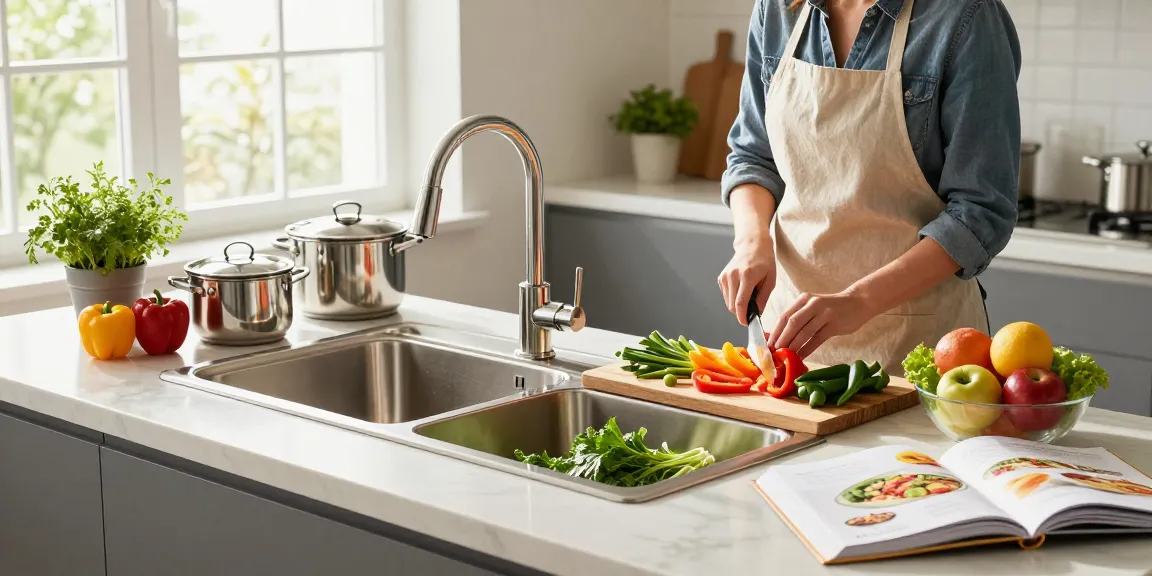
Understanding the Benefits of Stainless Steel Sinks
When it comes to selecting the perfect kitchen sink in stainless steel, homeowners are often presented with a myriad of options, styles, and finishes. This guide aims to delve into the numerous advantages of stainless steel sinks, which have become a staple in modern kitchens. Known for their durability and aesthetic appeal, stainless steel sinks offer a blend of functionality and visual elegance that can elevate any culinary space.
Durability and Resistance to Damage
Stainless steel is celebrated for its unmatched durability. Unlike porcelain or ceramic sinks, which can chip or crack under stress, stainless steel sinks are engineered to withstand the rigors of a bustling kitchen. They are resistant to heat, making them ideal for handling hot pots and pans without the risk of damage. Additionally, their innate resistance to rust, stains, and corrosion ensures that they maintain a fresh appearance over time, making them a sound investment for any homeowner.
Easy Maintenance and Cleaning Techniques
Cleaning your kitchen sink shouldn’t feel like a chore. One of the standout features of stainless steel sinks is their ease of maintenance. Regular cleaning with mild soap and water is typically sufficient to keep them looking pristine. For tougher stains, a gentle scrub with baking soda can work wonders without scratching the surface. Furthermore, stainless steel does not harbor bacteria, making it a hygienic choice for food preparation areas.
Visual Appeal and Modern Aesthetic
In today’s design landscape, the aesthetic appeal of a kitchen sink is just as important as its functionality. Stainless steel sinks complement various kitchen styles, from contemporary to rustic. Their sleek finish adds a modern touch, while available options like brushed or polished finishes can suit any homeowner’s taste. Whether installed as an undermount or top-mount, stainless steel sinks enhance the overall look of the kitchen.
Choosing the Right Type of Stainless Steel Sink
When selecting the perfect stainless steel sink, it is essential to consider your space, lifestyle, and design preferences. With various designs and configurations available, making an informed choice can significantly impact your kitchen’s efficiency and aesthetics.
Different Designs: Undermount vs. Drop-in
The choice between undermount and drop-in sinks can influence not just appearance but also functionality. Undermount sinks offer a seamless look that’s easy to clean, as they eliminate the lip found in drop-in models. On the other hand, drop-in sinks are generally easier to install and come in a wider variety of styles, making them a practical choice for DIY enthusiasts.
Popular Sizes and Configurations
Stainless steel sinks come in various sizes and configurations to accommodate different kitchen designs and usage requirements. Single bowl sinks are ideal for small spaces, while double bowl sinks provide versatility for multitasking in meal prep and dishwashing. Measuring your space accurately ensures that your new sink fits perfectly, enhancing both usability and style.
Budget Considerations for Kitchen Renovations
Budgeting for a kitchen renovation requires careful consideration of all elements, including your choice of sink. While high-end stainless steel sinks can be an investment, they offer long-term value thanks to their durability and low maintenance requirements. It’s wise to shop around and compare prices from reputable suppliers to find a sink that meets your aesthetic and functional needs without breaking the bank.
Installation Process and Tips
Installing a new kitchen sink can seem daunting, but with the right preparation and guidance, the process can be smooth and straightforward. Understanding how to properly install your sink can save time and prevent costly mistakes.
Preparing Your Kitchen for a New Sink
Before beginning the installation process, ensure that you have all the necessary tools and materials ready. This includes a wrench, putty knife, measuring tape, and plumbing supplies. Additionally, turning off the water supply is crucial to avoid any unwanted spills during installation. Proper preparation will streamline the process and minimize disruptions in your kitchen.
Step-by-Step Installation Guide
- Remove the old sink by disconnecting the plumbing and any clips securing it.
- Clean the countertop surface thoroughly to prepare for the new sink.
- Install the new sink according to the manufacturer’s instructions, ensuring that it is level and securely fastened.
- Reconnect the plumbing and check for any leaks before sealing the edges.
- Finish by applying silicone caulk to prevent water from seeping under the sink.
Common Mistakes to Avoid During Installation
While installing a stainless steel sink can be straightforward, many homeowners make common mistakes that can lead to complications. One frequent error is not measuring correctly, resulting in a poor fit. Additionally, neglecting to adequately seal the edges can lead to leaks and water damage. Taking your time and following the installation steps carefully can help you avoid these pitfalls.
Enhancing Functionality with Accessories
To maximize the potential of your kitchen sink, consider incorporating various accessories that can enhance its functionality and ease of use. Well-chosen accessories can turn your sink area into an efficient workspace.
Sink Grids and Cutting Boards
Sink grids serve a dual purpose by protecting the sink’s surface from scratches while also providing a convenient drainer for dishes. Pairing your sink with a fitted cutting board adds versatility, allowing for easy meal prep directly over the sink.
Choosing the Right Faucet for Your Sink
The faucet is an essential companion to your kitchen sink, and selecting the right one can enhance both its functionality and style. Consider factors such as reach, spout height, and any additional features like pull-down sprayers or touchless technology when making your selection.
Organizational Tools for Maximum Efficiency
Implementing organizational tools such as sink caddies, soap dispensers, and sponges can keep your sink area tidy and efficient. These accessories not only maximize utility but also contribute to the kitchen’s overall aesthetic.
Future Trends in Kitchen Sink Design
As we move towards 2026, kitchen sink design is evolving to incorporate innovative features and eco-friendly practices. Staying informed about these trends ensures your kitchen remains stylish and functional.
Innovative Features and Smart Technology
Smart technology is making its way into kitchen fixtures, including sinks. Features such as touchless faucets and integrated water filtration systems are becoming increasingly popular, offering convenience and improved hygiene. These innovations respond to the needs of modern households looking for efficiency and ease of use.
Eco-Friendly Materials and Practices
Eco-conscious consumers are on the rise, leading to a demand for sustainable kitchen solutions. Stainless steel is inherently eco-friendly as it is 100% recyclable. Additionally, choosing products manufactured with sustainable practices can further support environmental goals.
Design Inspirations for 2026 and Beyond
As design aesthetics continue to evolve, homeowners are looking for unique ways to personalize their kitchens. Expect to see an increase in custom designs, unique sink shapes, and innovative finishes that can transform a simple stainless steel sink into a statement piece.
Is stainless steel a good choice for a kitchen sink?
Absolutey! Stainless steel is renowned for its strength and durability, making it an excellent choice for a kitchen sink. Its ability to resist stains, heat, and corrosion makes it particularly suitable for busy kitchens.
Can I pour boiling water into a stainless steel sink?
While stainless steel is heat-resistant, pouring boiling water directly into a sink that has been at a lower temperature for an extended period can cause thermal expansion. This may result in discoloration or deformation; therefore, it is advisable to pour boiling water gradually.
What sizes do stainless steel kitchen sinks come in?
Stainless steel kitchen sinks are available in various sizes to cater to different kitchen layouts. Common sizes include single-bowl, double-bowl, and even larger commercial models, with widths ranging from 18 to over 36 inches.
How do I maintain the shine on my stainless steel sink?
Maintaining the shine of a stainless steel sink requires regular cleaning with a gentle cleanser. Avoid using abrasive materials that may scratch the surface. Polishing with mineral oil can help restore its luster while providing a protective layer.
What are the differences between 16-gauge and 18-gauge stainless steel?
The primary difference lies in the thickness. A 16-gauge stainless steel sink is thicker and more durable than an 18-gauge sink, making it less prone to denting and noise when in use. While 16-gauge sinks generally cost more, they are often seen as a worthwhile investment for long-term durability.

