
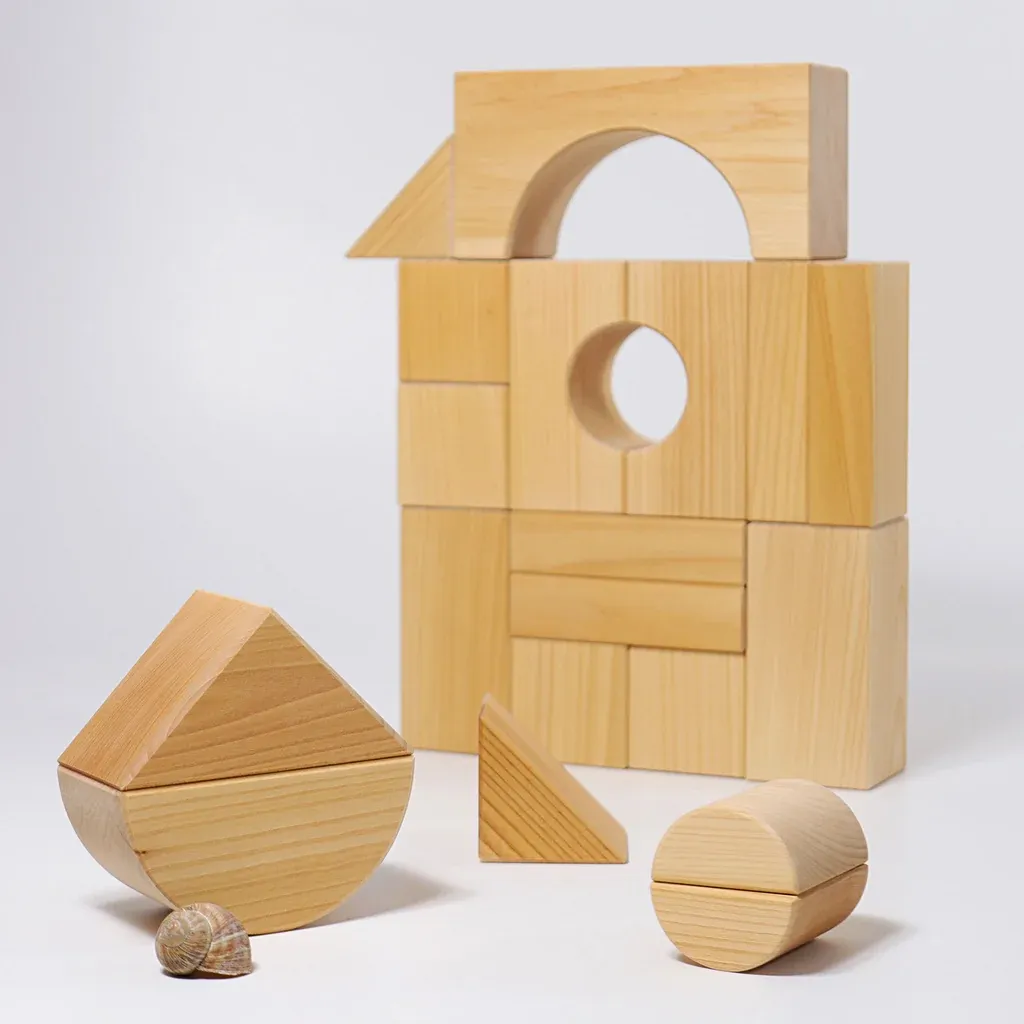
Giant Building Blocks are a wonderful way to turn ordinary indoor spaces into imaginative worlds filled with creativity, exploration, and hands-on discovery. Giant Building Blocks give children the freedom to stack, arrange, combine, and rebuild large pieces according to their own ideas. With Giant Building Blocks, children can create castles, houses, towers, cities, bridges, and exciting pretend-play environments without needing screens or complicated instructions. These oversized construction toys are suitable for many indoor settings and can support creativity, coordination, problem-solving, communication, and independent play.
Why Indoor Imagination Matters
Children need opportunities to use their imagination every day. Outdoor adventures are valuable, but indoor play can be equally meaningful when children have access to activities that encourage them to create and explore.
Construction play provides an open-ended experience. Instead of receiving a finished toy with only one intended purpose, children decide what their materials will become.
Giant Building Blocks are especially useful because their size makes them easy to see, move, stack, and incorporate into larger pretend-play environments.
Encouraging Independent Ideas
Imaginative play works best when children have freedom to make decisions. They can choose their own designs, colors, structures, characters, and stories.
A child might begin by stacking a few pieces and eventually decide that the structure is a castle. Another child may see the same pieces as a spaceship or a mountain base.
Creating Screen-Free Adventures
Indoor imagination does not require digital technology. Large construction pieces can provide hours of entertainment while encouraging children to interact with physical objects.
Children can build a world from scratch and change it whenever their story develops in a new direction. For more information about large building blocks for kids, explore their features, benefits, age suitability, and role in encouraging imaginative and educational play.
Creative Ways to Use Giant Building Blocks
There are countless ways to transform construction pieces into imaginative play experiences.
Build a Fantasy Castle
Children can create towers, walls, rooms, gates, and secret passages. Once the castle is complete, they can invent a fantasy story around it.
They might imagine themselves as kings, queens, knights, explorers, or magical characters. The structure becomes the setting for an evolving adventure.
Create a Pretend City
Children can construct homes, shops, schools, parks, garages, and other buildings. They can decide how the city is organized and create stories about the people who live there.
Giant Building Blocks make it easy to expand the city as new ideas appear. A simple building can become a library, hospital, restaurant, or community center.
Design a Space Station
For children interested in science and space, blocks can become a launch station, laboratory, control room, or spacecraft.
They can create imaginary missions and explain what happens during their journey. This combines construction with storytelling and science-inspired exploration.
Developmental Benefits of Imaginative Construction
Creative building can support several areas of childhood development.
Building Problem-Solving Skills
Structures do not always work as planned. A tower may fall, a wall may become unstable, or a child may discover that there is not enough space for another section.
These challenges encourage children to think critically and develop alternative solutions.
Giant Building Blocks make experimentation easy because children can quickly move pieces, rebuild sections, and test new arrangements.
Developing Spatial Awareness
Construction introduces concepts such as height, width, depth, balance, position, and distance. Children learn how different pieces relate to one another through direct experience.
Large pieces can make these relationships particularly visible, allowing children to understand how moving one component can affect the entire structure.
Improving Coordination
Children use their hands, eyes, and bodies when carrying and positioning blocks. They must carefully control their movements to place pieces where they want them.
This can support hand-eye coordination and body awareness while keeping children engaged in creative activity.
Giant Building Blocks and Storytelling
Construction becomes even more imaginative when combined with storytelling.
Creating Characters
Children can invent characters who live or work inside their structures. A castle might have royal residents, while a city could include shopkeepers, firefighters, doctors, or explorers.
Adults can encourage children to describe their characters and explain what each person does.
Building Story Settings
Instead of simply telling a story, children can physically construct its setting. They might build a forest camp, pirate ship, mountain village, or underwater research station.
Giant Building Blocks allow the story environment to change as the narrative develops.
Indoor Imagination for Different Age Groups
Different ages can approach construction play in different ways.
Younger Children
Younger children can begin with simple activities such as stacking, sorting, matching, and arranging pieces. Adults can introduce basic concepts such as big and small, high and low, and inside and outside.
As children become more comfortable, they can begin creating simple structures.
Older Children
Older children can take on more complex projects. They may design multi-level buildings, connected communities, bridges, or elaborate pretend-play environments.
They can also create their own construction challenges and decide how to solve them.
Using Giant Building Blocks at Home
Parents can create a dedicated imagination area where children have easy access to their construction materials.
Create a Building Corner
A small section of a playroom or open living space can become a construction zone. A carpet or play mat can provide a comfortable surface for floor-based building.
Keeping pieces within easy reach allows children to begin projects independently.
Introduce Imagination Themes
Parents can suggest themes without dictating exactly what children should build. Ideas could include a dinosaur park, animal shelter, airport, farm, castle, or futuristic city.
Giant Building Blocks can support each theme because the pieces are not limited to one specific type of construction.
Using Construction Blocks in Classrooms
Teachers can integrate oversized building pieces into creative learning activities.
Art and Design Projects
Children can design structures and then draw pictures of them. They can discuss colors, shapes, patterns, and architectural features.
This connects hands-on construction with visual creativity.
Language Activities
Teachers can ask students to describe their buildings or create stories based on them. Children can explain who lives in their structures, what happens there, and why they designed them in a particular way.
This encourages vocabulary development and verbal expression.
STEM Exploration
Construction can also introduce early STEM concepts. Children can explore stability, symmetry, measurement, balance, geometry, and cause and effect.
Simple challenges such as building a stable bridge or creating the tallest tower can make these concepts engaging.
Giant Building Blocks for Cooperative Imagination
Imaginative construction can become a group activity. Children can work together on a shared project and combine their ideas.
Encouraging Teamwork
One child might build the foundation while another creates a tower. Others can design roads, rooms, or decorative features.
Giant Building Blocks provide enough flexibility for children to contribute different ideas to one project.
Developing Communication
Collaborative construction requires children to explain what they want to create and listen to others. They learn how to negotiate decisions and solve disagreements.
These social skills can become valuable in other group activities.
Choosing the Right Building Blocks
When selecting construction pieces, consider the children's ages, available space, material, size, and intended use.
Consider Size and Weight
Large pieces should be manageable for the children who will use them. Lightweight designs may be easier for younger builders to carry and position.
Always follow the manufacturer's recommended age range and usage instructions.
Think About Storage
Oversized construction pieces require sufficient storage space. Baskets, shelves, and storage containers can help keep the play area organized.
Teaching children to return pieces after play also builds responsibility.
Safety Tips for Indoor Imaginative Play
Provide enough open space for children to build and move safely. Keep construction areas away from stairs, sharp furniture edges, and other hazards.
Inspect pieces regularly for damage and remove unsuitable items from use. Encourage children to handle blocks carefully rather than throwing them.
For younger children, provide appropriate supervision based on the product's instructions.
Frequently Asked Questions
1. What can children create with Giant Building Blocks?
Children can create castles, houses, towers, bridges, cities, farms, space stations, animal habitats, vehicles, and many other imaginative structures.
2. Are Giant Building Blocks suitable for indoor play?
Yes. They can be used in homes, classrooms, daycare centers, and other suitable indoor environments where there is enough space for safe construction.
3. How do construction toys encourage imagination?
Construction toys provide open-ended materials that children can transform into different objects and environments. This gives them freedom to create their own stories and designs.
4. Can Giant Building Blocks support educational activities?
Yes. They can be incorporated into mathematics, STEM, art, storytelling, spatial reasoning, and cooperative learning activities.
5. How can parents encourage imaginative block play?
Parents can introduce themes, ask open-ended questions, provide building challenges, and allow children to decide what they want to create. Avoiding overly strict instructions gives imagination more room to develop.
Conclusion
Giant Building Blocks offer children a simple yet powerful foundation for indoor imagination. They transform ordinary pieces into castles, cities, space stations, houses, bridges, and countless other creations. Through this process, children can develop creativity, coordination, spatial reasoning, problem-solving, communication, and teamwork.
Whether used during rainy afternoons, quiet play sessions, classroom activities, or family construction projects, oversized building pieces provide flexible entertainment that can evolve with children's interests. With enough space, age-appropriate materials, and responsible supervision, Giant Building Blocks can turn indoor play into a creative world where children are free to invent, build, explore, and tell stories.