Understanding the Basics of 24000 BTU Mini Split Air Conditioners
If you're considering upgrading your home or business's climate control system, a 24000 btu mini split air conditioner might be just what you need. These versatile units are designed to cater to larger spaces, combining both cooling and heating functionalities. In a market filled with options, understanding the fundamentals of mini split systems is essential to make an informed choice. When exploring options, 24000 btu mini split air conditioner offers comprehensive insights into the features and benefits available in today’s models.
What is a Mini Split System?
A mini split system, also known as a ductless system, consists of two main components: an indoor air-handling unit and an outdoor compressor/condenser. This design allows for efficient heating and cooling without the need for ductwork, making it particularly advantageous for older homes, additions, or spaces where installing ducts is impractical. Each indoor unit can be individually controlled, offering customizable comfort throughout the space.
How BTU Ratings Impact Cooling Efficiency
The term BTU, or British Thermal Unit, measures the amount of heat required to raise the temperature of one pound of water by one degree Fahrenheit. A 24000 BTU unit can cool or heat approximately 1,000 to 1,500 square feet, depending on factors such as ceiling height, insulation quality, and room layout. Understanding BTU ratings is crucial, as choosing a unit that is too powerful can lead to short cycling, while an undersized unit will struggle to maintain the desired temperature.
Ideal Space Requirements for 24000 BTU Units
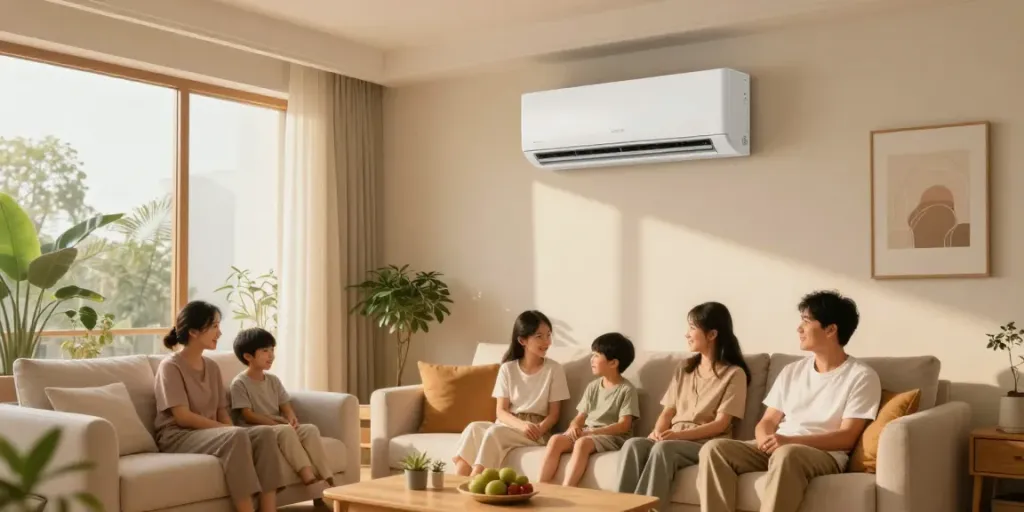
When selecting a mini split system, it's essential to evaluate the space you need to cool or heat. Ideal applications for a 24000 BTU mini split include open floor plans, large living rooms, basements, and commercial spaces up to 1500 square feet. Proper sizing ensures optimal efficiency and comfort levels, reducing energy costs and wear on the unit.
Benefits of Choosing a 24000 BTU Mini Split Air Conditioner
Energy Efficiency and Cost Savings
One of the most significant advantages of mini split systems is their energy efficiency. With SEER (Seasonal Energy Efficiency Ratio) ratings often exceeding 20, these units can significantly lower your utility bills compared to traditional HVAC systems. Additionally, modern mini splits are equipped with inverter technology that adjusts the compressor speed based on the cooling demand, resulting in less energy consumption and improved comfort.
Flexible Installation Options for Various Spaces
Mini split systems offer tremendous flexibility in installation. The absence of ductwork means they can be installed in almost any location, whether it’s on a wall, ceiling, or even recessed into a space. This flexibility allows homeowners and business owners to optimize their climate control systems without extensive renovation.
Enhanced Comfort with Dual Functionality
A 24000 BTU mini split air conditioner typically functions as both an air conditioner and a heater, providing year-round comfort. This dual functionality means you don't have to invest in separate systems for heating and cooling, saving both money and installation hassle. The systems also come equipped with features such as air purification and humidity control, further enhancing indoor air quality.
Choosing the Right 24000 BTU Mini Split Air Conditioner for Your Home
Key Features to Consider: SEER Ratings and More
When selecting a mini split system, there are several key features to keep in mind. Look for models with high SEER ratings for optimal energy efficiency. Additionally, pay attention to the noise level, as some units can be quite loud. Features such as programmable thermostats, remote control options, and variable speed compressors can enhance usability and comfort.
Top Brands and Models for 2026
As technology evolves, so do the options available on the market. Some of the top brands for 2026 include Mitsubishi, LG, and Daikin, known for their reliability and efficiency. Each brand offers various models tailored for different applications and user preferences, making it crucial to compare performance, features, and customer reviews before making a purchase.
Understanding Installation and Maintenance Requirements
While mini split systems are easier to install than traditional HVAC systems, professional installation is still recommended to ensure proper functionality. Maintenance includes regular cleaning of filters, checking refrigerant levels, and ensuring outdoor units are free of debris. Scheduling annual maintenance with a qualified technician can prolong the lifespan of your unit and ensure optimal efficiency.
Common Challenges and Solutions for Mini Split Systems
Addressing Noise Levels and Unit Maintenance
While many mini split systems operate quietly, some models may produce noticeable noise, particularly if not installed correctly. Choosing high-quality units with low decibel ratings and ensuring proper installation can mitigate this issue. Regular maintenance is also essential to keep the system running smoothly and quietly.
Common Installation Mistakes to Avoid
One of the most common mistakes during installation is improper sizing of the unit. Ensure that the BTU rating matches the space requirements accurately. Additionally, consider the placement of the indoor unit; if it's located too close to walls or furniture, airflow could be obstructed, reducing efficiency. Hiring experienced professionals can help avoid these pitfalls.
Frequently Asked Questions About Usage
Users often have questions regarding the operation of their mini split systems. Common queries include optimal temperature settings, how to maximize energy savings, and the frequency of maintenance checks. Familiarizing yourself with your specific unit's manual and guidelines can address these concerns effectively.
Looking Ahead: Trends in Mini Split Technology for 2026
Smart Features and IoT Integration
The future of HVAC technology is heading towards smart integration. Many mini split systems now feature Wi-Fi connectivity, allowing users to control their systems remotely through smartphones or smart home devices. These innovations not only enhance convenience but also help optimize energy usage.
Environmental Sustainability in HVAC Solutions
As environmental concerns grow, manufacturers are focusing on creating eco-friendly systems. Many new models use refrigerants with lower global warming potential and are built with energy-efficient technologies to reduce carbon footprints.
Future Innovations in Air Conditioning Technology
Advancements in mini split technology are expected to include improvements in energy efficiency ratings, enhanced air filtration systems, and more compact designs. These innovations will make mini splits an even more versatile and eco-friendly choice for consumers in the future.